Whiteboard planning session

Nonprofit Strategy: Three Things to Cleverly Finagle

Whiteboard planning sessionOkay, I recently let folks know I’d “finagled” a discount for them. After one reader told me the word “finagle” means “to obtain something by devious or dishonest means,” I sent an apologetic “Ruh Roh” email. I received a lot of forgiving feedback. Thank you! Many of you kindly supported my initial use of the word “finagle.”  Apparently, there is more than one definition.

Susan sent me this:

finagle (third-person singular simple present finaglespresent participle finaglingsimple past and past participle finagled)

    1. (transitive) To obtain, arrange, or achieve by indirect, complicated and/or intensive efforts.

finagle a day off work

    1. (transitive) To obtain, arrange, or achieve by deceitful methods, by trickery.

finagled his way out of a ticket by pretending to be on the way to a funeral, distraught

I think the word has come to mean “using super-human negotiating skill to obtain a superior result

Terry sent me this:

I thought you meant “obtain (something) by indirect or involved means.” I always felt it was sort of clever or creative negotiations to get something done when it seemed like it couldn’t be done. 

Sam sent me this:

I always thought it was someone who could manipulate circumstances to achieve some goal. No adverse implications. No criminal intent. Just clever in being able to make something work that really shouldn’t have worked.

And there were more. I thank you all.

You made me think.

And not just about negotiation (which is a subject unto itself), but about being clever. And thoughtful. And about what it takes to obtain superior results.

All good outcomes require a little positive finagling to get there.

Lots of things can be good and bad at the same time.

For example,

Details


Master chef creation

Master Chef vs. Line Cook: How Do You Prepare Your Nonprofit Fundraising Plan?


I learned something many decades ago that I’ve never forgotten.

When I learned this, it made me very happy.

You see, I was transitioning from an unhappy, short-lived career in law and wasn’t really sure about my next chapter.  Nonprofit work intrigued me, but… was it really a discipline or just something folks “winged?”  How would I know I could be successful?

There weren’t a lot of role models around at the time, and I really didn’t know any other fundraisers.  And there certainly were no articles to “google” online!

So, I enrolled in a week-long course offered by The Fundraising School, then led by founder Hank Rosso (who I call the “Daddy of Fundraising”), which is now part of the Lilly Family School of Philanthropy at Indiana University.

What a revelation! My eyes were opened to the very nature of fundraising. And the essential pre-conditions for fundraising success.

Details
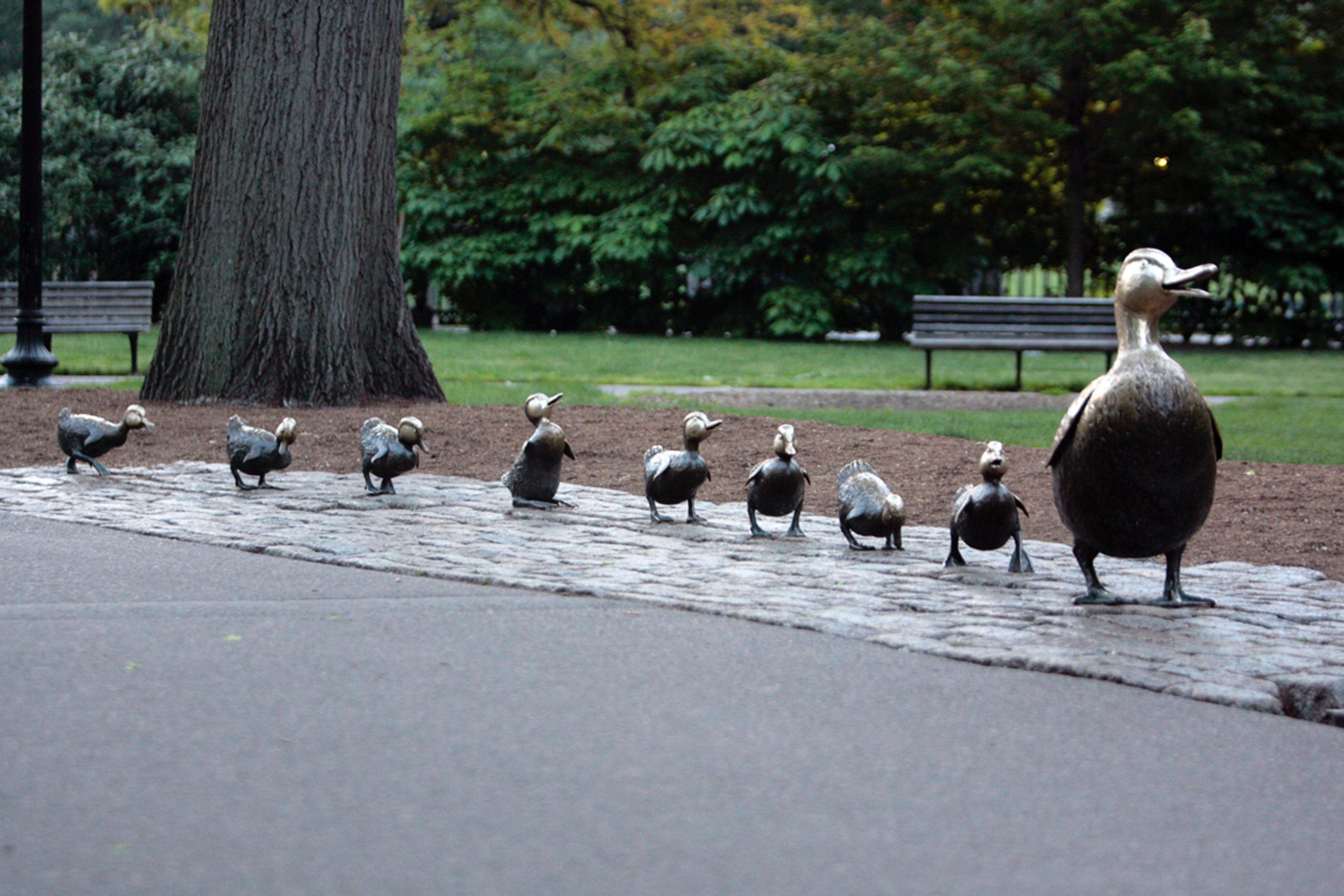
ducks in a row, swimming

5 More Top Strategies to Prepare for Fall Fundraising

ducks in a row, swimmingIn Part 1 of this two-part series of “Top 10 Strategies to Prepare for Fall Fundraising” we covered.

  1. Clean up Data
  2. Purge Mailing Lists
  3. Review Staff, Vendors and Freelancers
  4. Set Priority Objectives Based on Last Year’s Results
  5. Solidify a Multi-Channel Marketing Campaign

Today we’ll look at:

  1. Send Impact Reports to Set the Stage
  2. Stock Up on Compelling, Relevant Stories and Photos
  3. Connect with Major and Mid-Level Donors
  4. Prioritize Contacts with Mid-Level and Other Promising Supporters
  5. Plan Ahead to Welcome Donors to The Flock

Ready to get all your ducks in a row?

Details
Ducks in a row

Top 5 Strategies to Prepare for Fall Fundraising NOW

Ducks in a rowYou’ve got one month before fall fundraising season begins in earnest.


What will you do with it?

I’VE GOT 10 TOP STRATEGIES TO HELP YOU GET ALL YOUR DUCKS IN A ROW!

We’ll start with the first five today.

  1. Clean up Data
  2. Purge Mailing Lists
  3. Review Staff, Vendors and Freelancers
  4. Set Priority Objectives Based on Last Year’s Results
  5. Solidify a Multi-Channel Marketing Campaign

Next week we’ll look at:

  1. Send Impact Reports to Set the Stage
  2. Stock Up on Compelling, Relevant Stories and Photos
  3. Connect with Major and Mid-Level Donors
  4. Prioritize Contacts with Mid-Level and Other Promising Supporters
  5. Plan Ahead to Welcome Donors to The Flock

Ready?

Details
Mirror image

Be Your Donor Week

Mirror imageWhat I have for you is something you can do this week (or you can pick another week on your calendar that isn’t already overfilled with appointments, assignments, meetings and what-not).  It’s really simple and really powerful.  There’s one catch: you have to put aside 45 minutes/day for five days.  If you’re resistant to change, read no further. This post isn’t for you.  If, however, you have a hunch you might be able to move from good to great, then… read on (oh, and there’s a little bonus ‘gift’ at the end).


I’m going to show you how to become a donor-centered fundraiser in just five days. And by “donor centered,” I don’t mean pandering to donors, letting them abuse you or succumbing to mission drift in order to please them. That’s extreme. I’m going to show you how to simply follow the “Golden Rule,” and do unto donors as you’d wish them to do unto you.

Like I said, it’s simple. But you’ve got to dedicate the time. Go ahead.  Find yourself a week where you can dedicate just 45 minutes/day to find out what ‘donor-centered’ may mean to your constituents.

This exercise is something I hope will dramatically change – and improve – how you approach your donors.  And this change can happen for you in just five days.

In a nutshell, I’m going to ask you to:

  1. Make a list.
  2. Pick five things on your list.
  3. Do the five things.
  4. Consider what five things you’ve learned.
  5. Make an action plan to change how you approach donors based on what you’ve learned.

Ready to get started?

Details
Expert Secrets; 80-20 Rule

3 Nonprofit Secrets to Rock Major Gift Fundraising

Expert Secrets; 80-20 RuleThere’s a treasure trove of knowledge and research around major gift fundraising. What works well.  What doesn’t work at all.  What’s, at best, half-baked.

It’s not rocket science.  But there’s definitely art, and some science, involved.

The gestalt way of thinking about the three secrets boils down to simply being:

(1) SMART,

(2) SYSTEMATIC and

(3) PASSIONATE.

But, I’m pretty pragmatic. So I’d like to give you something more practical.

If I had to pick the top three practical secrets to success, they would be the following:

Details

So, Your Nonprofit Donor Wants to Give Cryptocurrency?

Donor with cell phone, crypto

In Part 1 of this two-part series, I discussed cryptocurrency philanthropy basics.

Let’s say you’re intrigued, and want to dip your toes in the water?

How to Accept Crypto?

There is more than one way. These are listed in order of easiest to greatest need for tech and finance savvy.

  1. Donor advised funds and giving wallets. These are now being set up to accept cryptocurrency. If nothing else, you can alert supporters that if they have a DAF they can funnel crypto to you that way. Also, every.org and givewell are crypto wallets that act similarly to a DAF by accepting gifts from donors, then granting your nonprofit cash without you ever having to take custody of the asset. You never have to worry about accounting and legal concerns of accepting crypto.


  1. Software as a Service (SaaS solution) donor management platform. Organizations such as The Giving Block, engiven, Crypto for Charity by Freewill and Charitable Solutions, LLC are already set up to accept cryptocurrency on behalf of your organization (the list keeps growing). These dedicate crypto NGOs will sell the asset and transfer the proceeds to you. You can put a widget/button on your website to facilitate this. Crypto goes directly into exchange and is immediately traded for dollars (there is a small fee; around 1%). This is safe, secure and simple as generally the asset will be immediately liquidated (within milliseconds), which is super important with highly volatile assets like crypto. This protects you from a donor asking what you did with their $100,000, and you having to tell them you only realized $50,000 because you delayed a day to sell it.


  1. External custody. Behind the scenes, all platforms use a cryptocurrency brokerage or exchange. Three reputable ones are Coinbase Commerce, Kraken and Gemini. They typically charge 35 – 50 basis points per transaction. No donation processing or receipting is available. Nonprofits with expertise in asset management, trading and technology may consider building their own donation widget using these services. Be aware it can take many months to establish an account. Plus, you also need an “Alternative Asset Management Policy” [fold in crypto to your Gift Acceptance Policy; run this by your professional advisors and finance committee] to shield leadership.


  1. Self-custody. This is not for everyone and requires a hardware USB device that can be plugged into the computer when someone wants to make a transaction. They’re cold storage, kept off the internet, and highly secure. The downside is it requires a very savvy staff person and high security around custody. Plus it’s tricky to liquidate when you hold it in your hardware wallet. Some donors giving these digital assets like to see nonprofits holding those gifts as crypto, as part of an effort to see crypto go mainstream. If you have the ability to be strategic with investments, for example by building a reserve, you might consider holding onto crypto in its native form. UNICEF, for example, can receive, hold, and disburse cryptocurrency with its UNICEF CryptoFund. Again, you’ll want an “Alternative Asset Management Policy” to guide when you’ll sell.

How to Promote?

Details
Gala event reception

Common Sense Nonprofit Event Planning Advice

Gala event reception

Let’s begin with the Big Kahuna piece of advice: Ask yourself WHY you want to do this event.

Were you to bring your event proposal to a wise shaman or mentor, this is the question they would ask you first – well before asking what theme or format you have in mind or what color scheme you want to use!

And yet this is the one question I find nonprofits failing to ask.  Somehow staff and boards alike think events are simply an inevitable part of the diversified fundraising mix.  Or maybe even the primary way to generate awareness and funds.

Events are neither inevitable nor primary. They are merely a means to an end.

And since they are extremely resource-intensive, it’s critical to think long and hard before embarking on a strategy that could potentially derail other more lucrative and cost-effective approaches.

Events have their place, to be sure; it’s up to you to put them in their place. You must take charge, lest they take charge of you!

What is Your End Goal?

You don’t buy a drill because you need a drill. More likely, you need to create a hole. Maybe the drill will do that best or, perhaps, there’s another more effective tool. It depends on the size and purpose of your desired hole. The same is true with nonprofit special events.

You don’t create an event for the sake of having one (no matter what one or more board members think would be swell.).

Details

3 Nonprofit Secrets to Rock Major Gift Fundraising

There’s a treasure trove of knowledge and research around major gift fundraising. What works well.  What doesn’t work at all.  What’s, at best, half-baked.
It’s not rocket science.  But there’s definitely art, and some science, involved.

The gestalt way of thinking about the three secrets boils down to simply being:

(1) smart,

(2) systematic and

(3) passionate.

But, the devil’s in the details. I’m pretty pragmatic, so I’d like to give you something more practical.

If I had to pick the top three practical secrets to success, they would be the following:

Details
Clouds and sky

How to Kon Mari Your Nonprofit Work Plan

This year it’s been easy to hoard.

You had all the strategies that worked for you in the past, PLUS you had to add a bunch of new ones when faced with the realities of the pandemic economy.

Then you had to add things to be relevant to supporters who were thinking about a million news stories. You needed to be relevant, and consider your stance on BLM, BIPOC, DEI and a range of political and social justice issues.

The extraordinary times could not be ignored, so strategy got piled upon strategy, got piled upon…

And your nonprofit work plan got super crowded.

Time to clear out some space!

You’re likely wondering if you have to do everything virtually as well as in person. You’re wondering if your messaging needs to change to be more inclusive? You’re wanting to connect with folks in ways they’ve come to expect, and to offer meaningful engagment opportunities, but… where is everything going to fit?!?!

Never fear. Help is here!

What if you were to look at your work plan this year from the KonMari perspective?

If you’ve been living under a rock, Marie Kondo’s KonMari is the art of “tidying up to transform your life.” It’s a popular book that’s become a Netflix sensation, and it may not be your cup of tea, but…

What if, through some simplification and organization, you could transform your life (at least at work) as well as your nonprofit’s life — so all involved felt greater inspiration and even serenity?

You. Can. Do. It.

Alas, I’ve participated in many a planning session, and seldom do I recall – if ever – really focusing first on what we could stop doing to make room for new endeavors.  If this sounds familiar, you’re likely also familiar with the unfortunate consequences.

There are some things that really should not be part of your work plan moving forward. Or, at the very least, they should be pared down. Quite. A. Bit.

Here’s how you know you need, as Marie Kondo might say, to tidy up.

  • Do you try to stuff too much into your work plan and end up doing nothing as well as you’d like?
  • Do you allow daily clutter to crowd your inbox so you’re often responding to the little issues rather than the big ones?
  • Do you keep working on things that no longer have the payoff they once had, causing you to miss out on newer and more cost-effective opportunities?
  • Do you allow inertia to divert your focus towards ‘make work’ transactional stuff that satisfies your need to feel ‘busy,’ while you know it’s not really transformational work?
  • Have you allowed your job to become overloaded with tasks you don’t enjoy, to the point where you feel a bit like a lobster in a pot?
Details