How 13 Nonprofit Donors Yields a $1 Million Philanthropic Legacy
 13 happens to be my lucky number. I want it to be lucky for you too.
Today, I’m going to reveal to you how you can make this happen.
A recent survey of wills reported on by the Chronicle of Philanthropy reveals the average bequest by everyday donors is $78,630.
Some people will leave less; some people will leave more. What this survey reveals, however, is you only need 12 to 13 donors making a provision for your organization in their will to reap $1 million.
If a major gift for your organization is $1000 (or even 5000 or 10,000), I imagine this sounds off the charts to you. Guess what?
Legacy giving is off the charts!
In fact, bequest marketing produces the highest ROI (return on investment) of any fundraising activity.
The first step to making this happen for your organization is to encourage bequests. Actively.
Promote Charitable Bequests, or Else
If you don’t actively encourage charitable bequests, people are unlikely to make them.
Why? There are three primary reasons:
 The Unfair Exchange
 If I had to tell you what you need to do to succeed with major gift fundraising in one sentence it would be this:

 Probably not as much as you might think.
 If I had to tell you what you need to do to succeed with major gift fundraising in one short paragraph it would be this:


 Does your nonprofit promote stock gifts? You should!


 “Begin at the beginning and go on till you come to the end; then stop.” So wrote Lewis Carroll in Alice in Wonderland.
 Early in my career I received a piece of fundraising advice that has stuck with me to this day:
 These days you’re likely communicating with constituents digitally more than ever before.
 Connect, Connect, Connect – with Everyone!

 I’m excited to share three easy tips with you, and the results are measurable. Do these things and you’ll be able to tell if they impact your bottom line!
 The major gift journey is a synergistic one. You see, it’s both your journey and your donor’s journey.
 There’s a lot about fundraising folks take for granted. And not in a good way. Because… much of it is untrue!


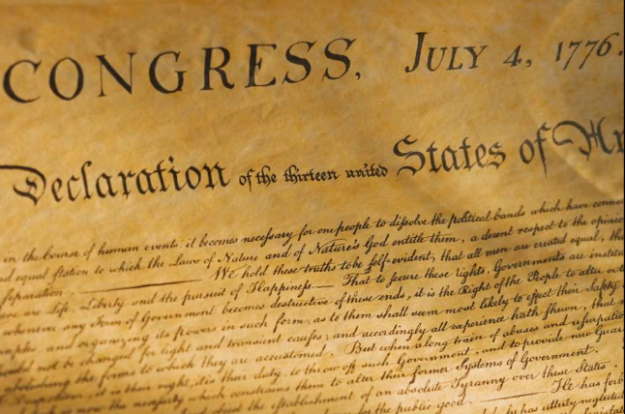
 I’ve created for you a little “Declaration of Fundraising Independence” to help you become a fruitful philanthropy facilitator from this day forward.
 When people give to you for the first time, often they know very little about you. Perhaps they found you through a link on social media. Or organic search. Or through a friend who emailed them a link to your appeal.
 Wondering where fundraising is heading in our highly networked, overly saturated, noisy-as-all-get-out post-digital revolution world?




 Can the act of philanthropy make people feel better?